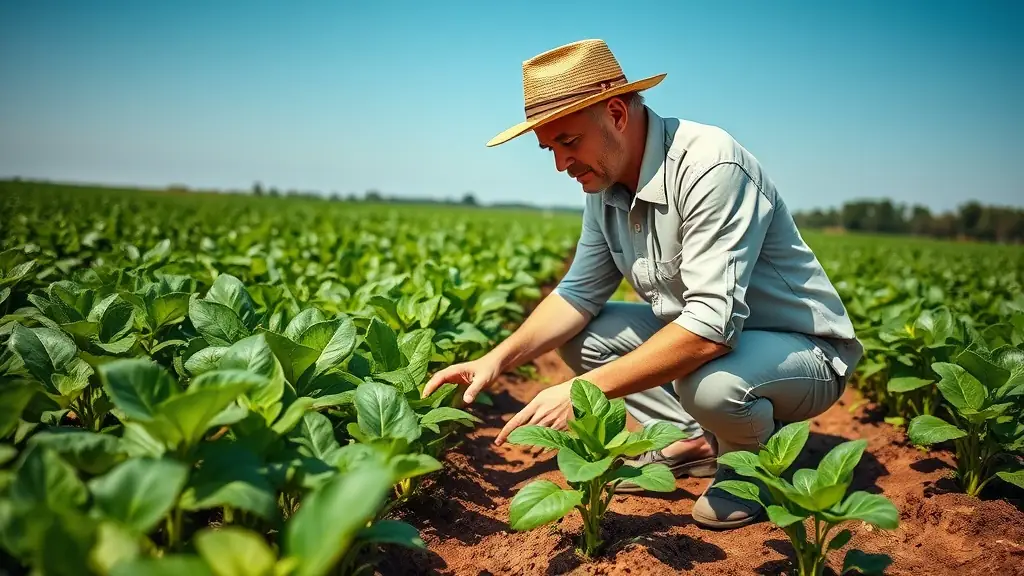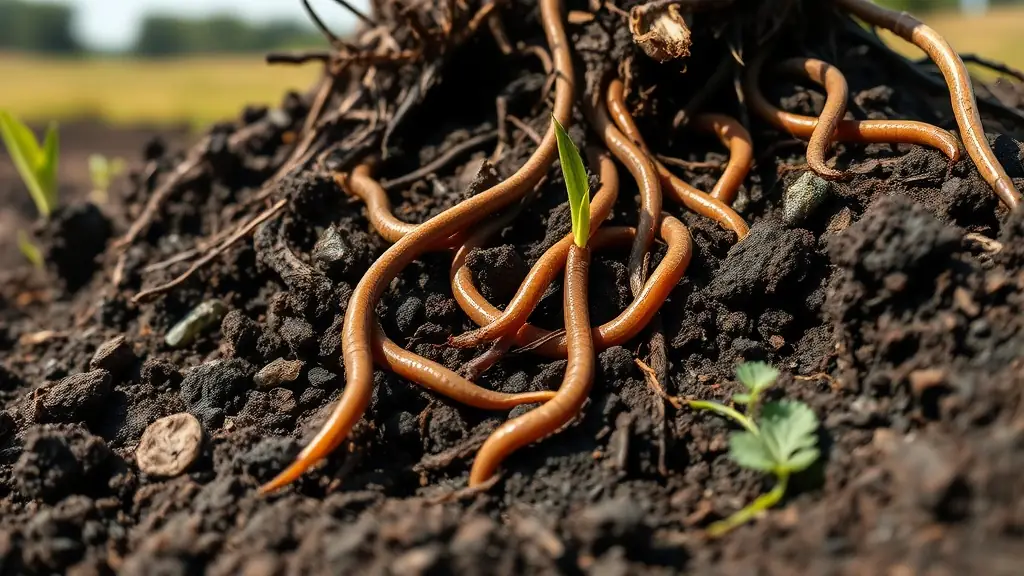

Sustainable farming practices are becoming increasingly important as the agricultural sector faces challenges such as climate change and resource depletion. Farmers are encouraged to adopt methods that not only enhance productivity but also protect the environment. Techniques such as agroforestry, integrated pest management, and organic farming can significantly reduce the ecological footprint of agricultural operations. By prioritizing sustainability, farmers can contribute to a healthier planet while maintaining their livelihoods.
Water conservation is another critical aspect of sustainable farming. Implementing efficient irrigation systems, such as drip irrigation, can help minimize water waste and ensure that crops receive adequate moisture. Additionally, rainwater harvesting and the use of drought-resistant crop varieties can further enhance water management practices. By focusing on water conservation, farmers can safeguard this vital resource for future generations.
Finally, educating farmers about the benefits of sustainable practices is essential for widespread adoption. Agricultural consultants play a key role in providing training and resources to help farmers transition to more sustainable methods. By fostering a culture of sustainability within the agricultural community, we can ensure that farming remains viable and productive for years to come, ultimately benefiting both farmers and consumers alike.