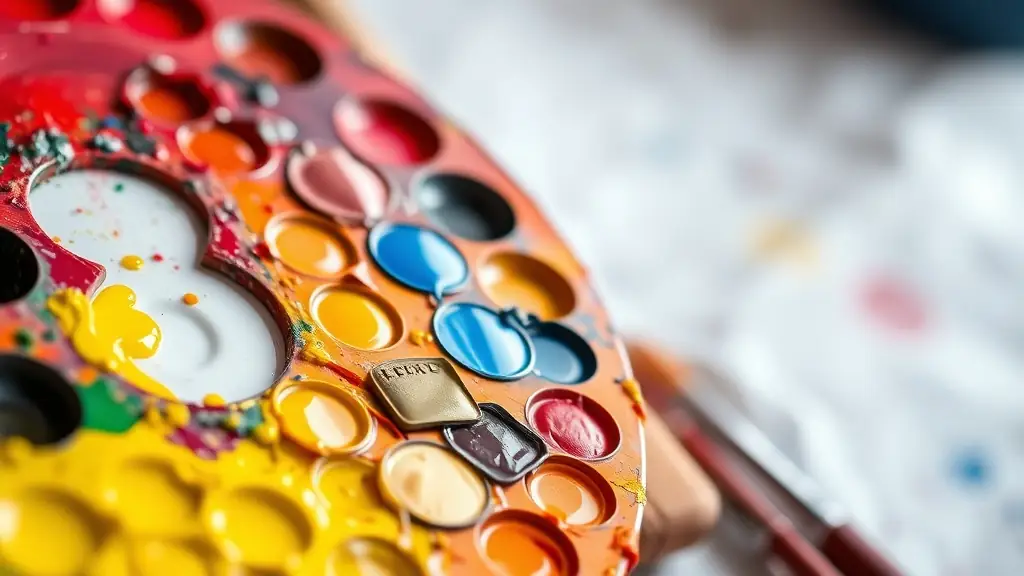
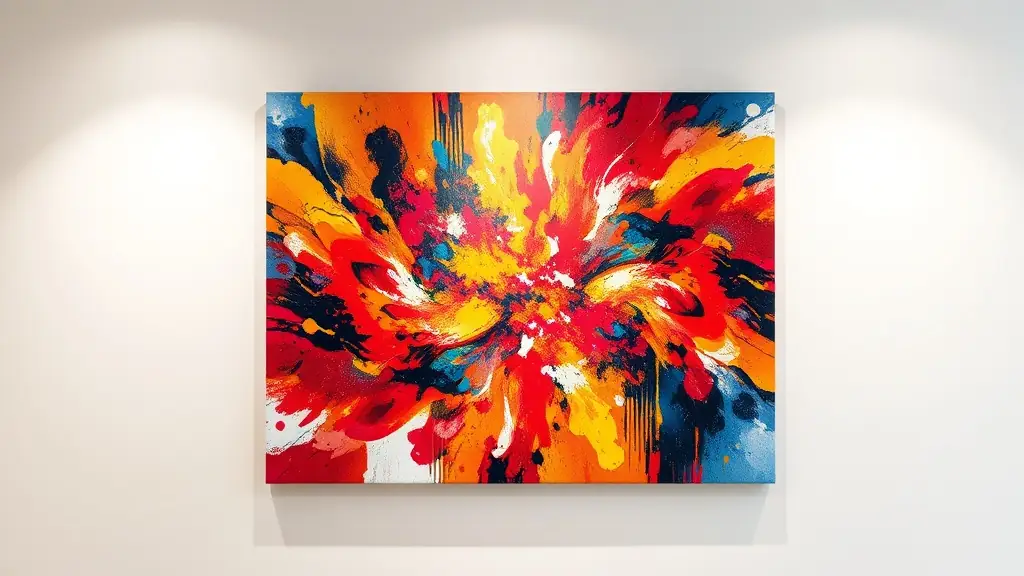
Abstract art has emerged as a powerful form of expression, breaking away from traditional representation. Artists use colors, shapes, and forms to convey emotions and ideas, allowing viewers to interpret the work in their own unique ways. This genre challenges the conventional boundaries of art, inviting both admiration and debate. As we explore the vibrant world of abstract art, we uncover its historical roots and its evolution into a contemporary phenomenon.
The origins of abstract art can be traced back to the early 20th century, with pioneers like Wassily Kandinsky and Piet Mondrian leading the charge. Their innovative approaches laid the groundwork for future generations of artists to experiment with non-representational forms. Today, abstract art continues to thrive, with artists pushing the limits of creativity and technology. From large-scale installations to digital art, the possibilities are endless, making it an exciting field to explore.
As we delve deeper into this genre, we also consider the impact of abstract art on society and culture. It serves as a mirror reflecting the complexities of modern life, often provoking thought and discussion. Whether you are an artist, a collector, or simply an art enthusiast, understanding abstract art enriches your appreciation of the visual arts. Join us as we celebrate the beauty and diversity of abstract expression in our upcoming articles.