
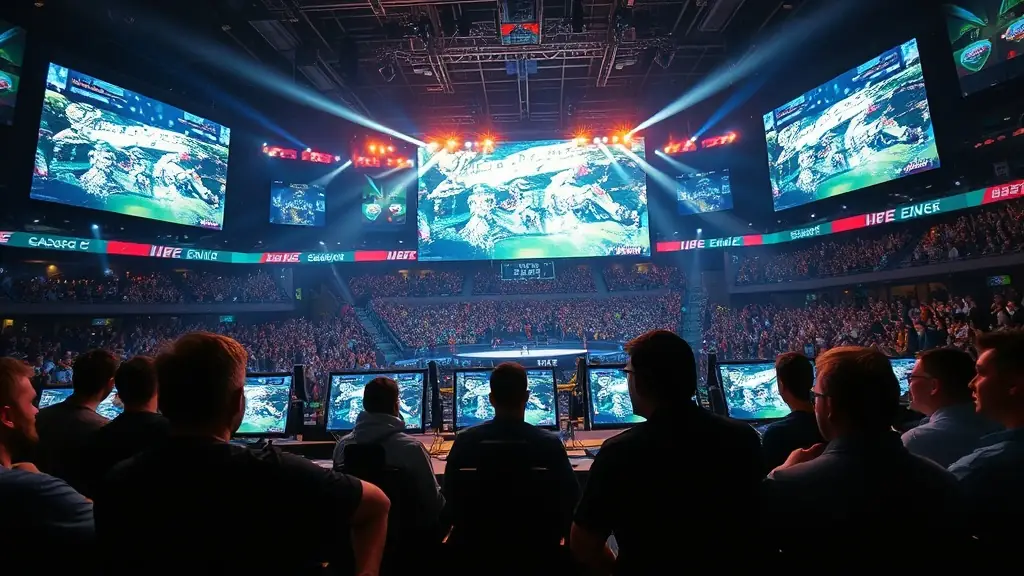
In recent years, e-sports have surged in popularity, evolving from niche competitions to mainstream entertainment. Major tournaments now fill stadiums, with fans cheering for their favorite teams and players, much like traditional sports. This rise has been fueled by advancements in technology, allowing for high-quality streaming and interactive viewing experiences. As a result, e-sports have become a lucrative industry, drawing in sponsorships and investments from major brands.
The appeal of e-sports lies in its accessibility and the diverse range of games available. From first-person shooters to strategy games, there is something for everyone. Players can compete from the comfort of their homes, and fans can engage with their favorite games through live streams and social media. This accessibility has created a vibrant community, where players and fans can connect and share their passion for gaming.
As e-sports continue to grow, they are also beginning to gain recognition as legitimate sports. Universities are offering scholarships for e-sports athletes, and professional leagues are being established. This shift is paving the way for e-sports to be included in major sporting events, potentially leading to a future where competitive gaming is celebrated alongside traditional sports.