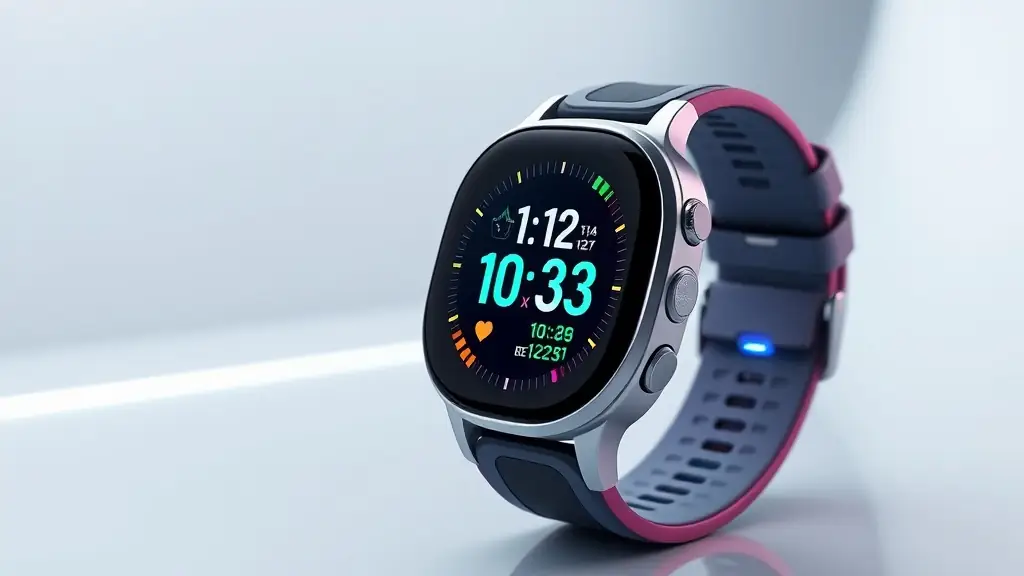
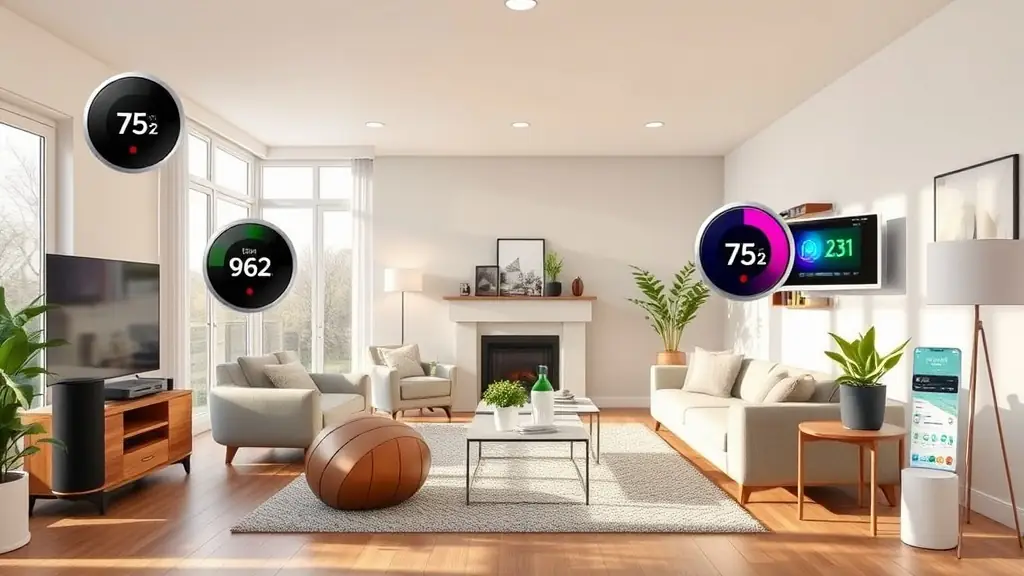
Smart home devices have gained immense popularity, offering convenience and automation to everyday tasks. From smart speakers that control lighting to security cameras that can be monitored remotely, these devices are designed to enhance our living experience. The integration of IoT technology allows for seamless communication between devices, creating a more connected home environment. However, this convenience comes with its own set of challenges, particularly regarding privacy and security.
One of the primary concerns with smart home technology is the potential for data breaches. Many devices collect personal information, which can be vulnerable to hacking if not properly secured. Users must be aware of the risks associated with these devices and take necessary precautions to protect their data. This includes regularly updating software and being selective about the devices they choose to integrate into their homes.
Despite the privacy concerns, the benefits of smart home devices cannot be overlooked. They offer energy efficiency, enhanced security, and improved quality of life. As technology continues to advance, manufacturers are working to address privacy issues while providing innovative solutions. The future of smart homes will likely involve a balance between convenience and security, ensuring that users can enjoy the benefits without compromising their privacy.