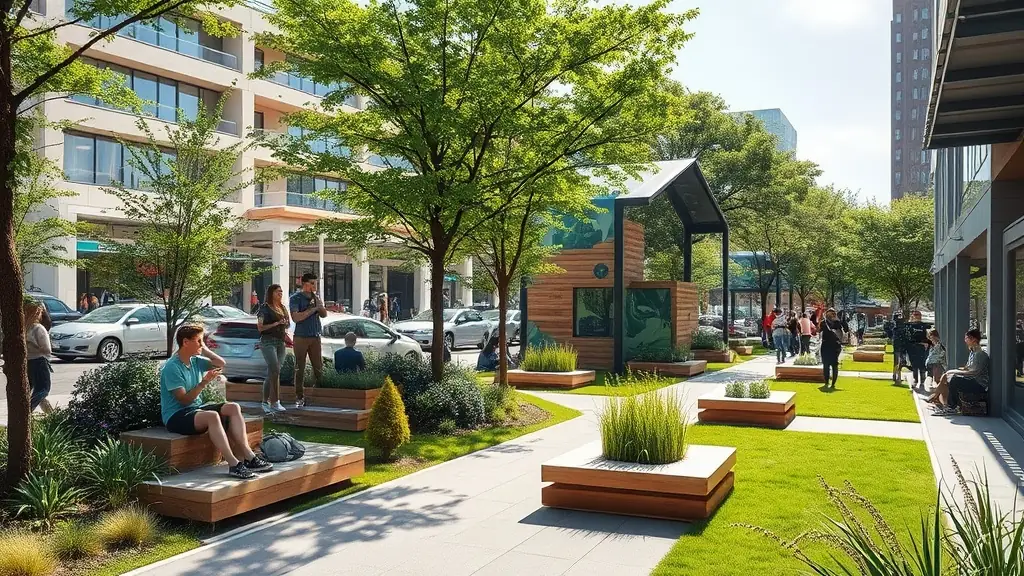
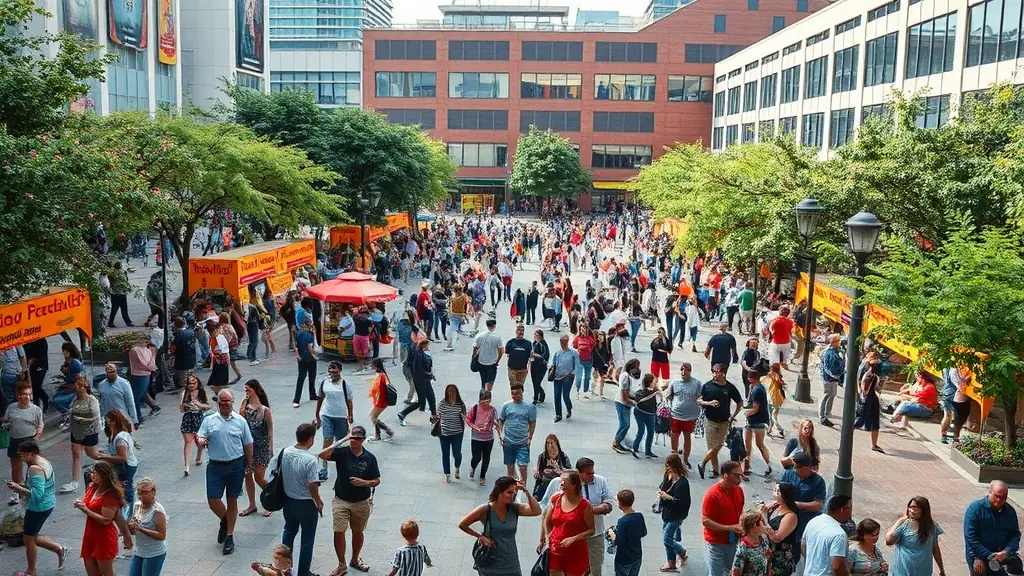
Public spaces are the heart of any community, serving as gathering places for social interaction and cultural expression. Urban design plays a pivotal role in transforming these spaces into vibrant environments that encourage community engagement. By focusing on accessibility, aesthetics, and functionality, urban designers can create public areas that foster connection and inclusivity. This transformation not only enhances the quality of life for residents but also attracts visitors and boosts local economies.
One effective strategy for revitalizing public spaces is the incorporation of art and culture. Murals, sculptures, and performance areas can breathe new life into underutilized spaces, making them more inviting and engaging. Additionally, urban designers can create flexible spaces that accommodate various activities, from markets to festivals, ensuring that the area remains dynamic and relevant to the community’s needs. This adaptability is essential for maintaining the vibrancy of public spaces over time.
Furthermore, the design of public spaces should prioritize safety and comfort. Well-lit areas, clear sightlines, and ample seating can make a significant difference in how people perceive and use these spaces. By creating environments that feel safe and welcoming, urban designers can encourage more people to spend time outdoors, fostering a stronger sense of community. Ultimately, the role of urban design in transforming public spaces is crucial for building connected and thriving communities.